• Home
  • Blog
  • Archives
  • Links
  • About
  • Guest Blogger
  • Contact

Tricia's Musings

Random Thoughts about life in general, living in the big city of Toronto

  • Home and Lifestyle
  • Recreation
  • Health Fitness and Beauty
  • Entertainment
  • Web and Technology


You are here: Home / Archives for Health Fitness and Beauty

6 Tips for Recovery After Rehab

November 19, 2012 by Trish

Going through the process of rehab is a big step in an addicts life, but not a lot of people think about the process recovering addicts go through once they leave rehab. The first few months out of rehab are perhaps some of the most difficult because you are free to make your own decisions once again and temptation can easily creep back into your life. There are many ways to avoid relapse after rehab. Here are six tips to continue recovery after leaving rehab.

Create a plan of action

So you’ve been released from your six month long recovery treatment. Now what? Boredom and lack of direction might be one of the worst things you can have when you’ve just left rehab. It’s necessary to create a plan laying out your objectives for your future. By creating a plan, you’ll be organized and will have a set schedule to follow to keep you busy and on track.

Continue therapy sessions

Even though you’ve left the treatment center, it doesn’t necessarily mean that your treatment process is over with. Remember that you still have the option of visiting with a counselor as often as necessary for as long as you need. This allows you the freedom to go about living your life once again but keeps you in check with a counselor still to slowly ease you back into the real world.

Exercise regularly

Exercise is extremely important during the healing process and continues to be critical after rehab. Not only does regular exercise help you stay fit and active, in turn boosting your confidence, but in addition it releases endorphins which lift your mood and keep you thinking positively. Whether you have a gym membership, go for regular runs outside or even do an activity such as yoga, exercise will help you feeling great and will keep you healthy.

Eat healthfully

Going along with exercise, healthy eating can improve your overall health and the way you feel about yourself. Making sure you get the proper vitamins and minerals into your diet have even been linked to curbing cravings for drugs or alcohol. Living a healthy lifestyle after rehab can be the beginning of a new chapter in your life to keep you clean and feeling better than ever before.

Make new friends

Chances are, many of the friends you had before rehab aren’t the type of people you should be spending time with post rehab. This is a great opportunity for a fresh start and time to meet new people with no connection to your past. Building relationships is essential for happiness and feeling complete, so this is definitely an important tip to follow through with. The more relationships you have, the more support you have if you’re ever feeling weak.

Rediscover your spirituality

If during your addiction you lost touch with your spirituality, post rehab is a great time to rediscover it. Faith in a higher power or guidance through a spiritual being can be enough to get you through the days and believe that you can succeed in your efforts to be clean.

Attached Images:
  •  License: Creative Commons image source

Lisa Trank is a freelance writer who is very familiar with addiction. After a family member admitted to addiction and visited rehab for treatment, Lisa learned a generous amount from this experience. She follows the rehab advisor in an effort to research the best treatments for various addictions and suggests anyone else facing an addiction do the same.


Filed Under: Health Fitness and Beauty, Rehabilitation Tagged With: avoid, decisions, exercise, healthy eating, life, new friends, plan, recovery, rehab, relapse, temptation, therapy

Walk-In Bathtubs Make Warm Baths Safe And Healthy

November 12, 2012 by Trish

Walk In Tubs And Safety

People with a variety of health issues often find themselves left out in the cold when it comes to taking a warm bath. Getting into or out of a traditional bathtub can be dangerous, or even impossible, for anyone with chronic pain, physical limitations or mobility concerns.

According to the National Safety Council, nearly 400 people sustain bathtub-related injuries every day in the U.S. with one injury resulting in death each day. Elderly populations are especially at risk for bathing-related injuries or falls as seniors often lack the coordination, strength and balance necessary to step over the side of a bathtub, ease themselves down to a seated position, or raise themselves up and out of the bath.

St. James University Hospital conducted a survey on the bathing habits of elderly patients and found that 15 percent of those surveyed reported being stuck in their bathtubs as they lacked the strength to lift themselves out of the tub at the end of their bath. One suffered a heart attack while struggling to get out of the tub, one sustained pressure ulcers, some endured hypothermia from sitting in cold bath water and all suffered vivid memories of the experience and a fear of taking another tub bath.

These unfortunate injury statistics draw attention to the health benefits that are lost by people who cannot take a warm bath and warrants a look at ways to make bathing safer and more available for at-risk populations with walk-in bathtubs being a viable option.

Health Benefits of Taking a Warm Bath

-Relaxes tight muscles and loosens connective tissue to help ease aches, pains, cramps and joint stiffness
-Provides mental relaxation and feelings of calmness
-Improves blood circulation which enhances the flow of blood and oxygen throughout the body
-Rejuvenates skin by removing dry, flaky skin, especially when a small amount of baking soda is sprinkled in the bath water
-Soaking in an oatmeal bath helps ease itching caused by skin rashes and other dermatological conditions

How Walk-In Bathtubs Make Bathing Safer

People who find a traditional bathtub too challenging can opt for the safety and comfort of a walk-in bathtub.  With a no-skid floor surface, comfortable seating and a threshold that is only a few inches high, walk-in bathtubs remove the fear of bathing for people suffering from a variety of health and mobility issues.

With so many safety features,  there is no reason for everyone not to install new walk-in bathtubs.  Feel better and be safe at the same time!

Filed Under: Health Fitness and Beauty, Home and Lifestyle Tagged With: baths, Chronic Pain, elderly, health benefits, Health Fitness and Beauty, injuries, safety, walkin tubs

4 Tips to Help Your Teenager Overcome Peer Pressure

November 6, 2012 by Trish

Being a teenager is tough these days – these kids are faced with taunting, bullying, the undying want and even need to fit in and be “popular,” and of course their own self-confidence issues as they mature and work their way into their own social circles.

So how can you, as a parent, help your teenagers stay on the “right” path – one without the drugs and alcohol and partying that is often associated with the “cool kids” in the class? Here are just a few tips to help your teen find out who they are for themselves and avoid the dangers of succumbing to risky peer pressure.

Stay Involved

Perhaps the most important step in helping your teenager mature into a responsible adult is to stay involved in their lives. This means asking questions and being genuinely interested in the things that seem to interest your teen.

After each school day, ask your teen about their classes and their current circle of friends. If someone has done or said something mean, help your teen understand what the person meant by it and help them realize that maybe it wasn’t meant the way that it was said. Ask about weekend plans, and always ask who will be home at a friend’s house when your teen says that they are leaving your home to go there.

Staying involved by asking questions and knowing what your teen is doing as often as possible can help you understand what their life is like, what interests they have and what kind of friends they are becoming close to. This, in turn, can lead to a further understanding of potential dangers that may arise in your teen’s life when it comes to peer pressure.

Develop a Strong Sense of Family

Family is the closest group a teenager can have, so it’s important to nurture that relationship as a group to encourage your child to make more positive decisions later on in life.

Find time to plan plenty of family activities on weekends and vacations, and develop a strong bond with your teenager in doing so. Think about it – a teen who doesn’t have a strong family relationship at home will be far more likely to go out on their own and make bad decisions because they often feel that no one will care if they mess up.

Make sure your teenagers know that you are proud of them and the decisions that they make, and let them know that their presence contributes to your family. These are the teenagers that will be more likely to want to spend time at home, like, say, after curfew. They won’t dread coming home to parents that they don’t feel care about them.

Help Instill Confidence

It’s tough for a teenager to feel confident in themselves – there are so many external influences on them now that often inadvertently tell them that they aren’t “good enough,” including their peers.

If you can instill that much-needed confidence in your teenager on the home front, you’re one step ahead of the game when it comes to your teen being able to face peer pressure. The more confident your child is in themselves, the more likely they will feel comfortable saying “no” when an opportunity arises with peer pressure.

Explain it’s OK to Say No!

We’ve all been there – we’ve struggled as teens ourselves to say “no,” and sometimes we’ve even made the mistakes of saying “yes.” Teens will make mistakes, and they will learn from them, just as you likely have.

But share your experiences as a teenager with your own teen. Enlighten them on the mistakes that you once made (with some discretion, of course), and explain to them that you simply do not want to see them making the same mistakes. If you ever wished you had said “no” to something, explain how that felt when you realized your mistake.

It’s important to teach your teenagers that in most circumstances, it’s OK to say “no.” Being the most popular kid in high school does not mean that they will be the most successful adult beyond the high school years, as many teenagers believe. In fact, the teenagers that know how to overcome peer pressure and just say “no” are often the ones who develop stronger senses of identities and possess more leadership skills that the pressurers.

With a little bit of guidance and help from you, the parents, it is possible to help your teenager overcome the difficult pressures of being that age. Just be patient, be gentle and always let them know that you are there to help them, not ruin their lives.

Attached Images:
  •  License: Creative Commons image source

Jessica Tanning is a freelance writer who struggled with peer pressure herself and is now helping a family member struggle through the same. She once sought out help from The Rehab Advisor for some advice on avoiding dangerous situations, and she encourages parents to do the same.

Filed Under: Health Fitness and Beauty, Home and Lifestyle Tagged With: adult, bully, bullying, class, dangers, friends, involved, kids, peer pressure, popular, questions, School, self confidence, taunting, teenager, tough

When is it Best to Avoid the Emergency Room?

November 2, 2012 by Trish

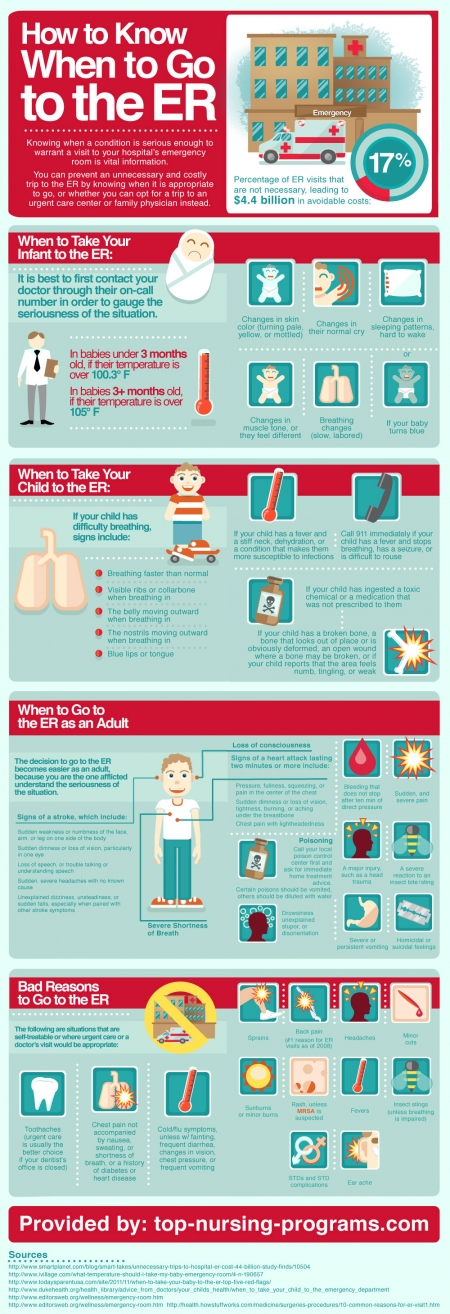
Emergency rooms are designed to provide care for urgent medical problems. Knowing what problems require emergency room care, however, can be challenging. In general, those in doubt should go to the emergency room, but here are a few times when it is best to avoid it.

Toothaches often send people to the emergency room. While the pain caused by toothaches can be extreme, emergency room staff is often not equipped to provide relief. Further, patients must often wait for a lengthy period of time only to hear that nothing can be done. Patients should seek help from an emergency dental provider that is equipped to deal with toothaches and other dental problems.

Another common complaint that brings people to the emergency room is back pain. While back pain can be debilitating, it does not require emergency care, and most patients will be sent home with instructions to schedule an appointment with a doctor. Those suffering from back pain should rest and see a doctor as soon as possible.

Source: TopNursingPrograms

Filed Under: Health Fitness and Beauty Tagged With: back pain, doctor, Emergency room, medical problems, urgent

10 Weirdly Interesting Sleep Disorders

October 31, 2012 by Trish

Much of sleep’s intricacies remain a mystery as scientists strive understand the mechanisms behind sleep and the state of sleep itself. We know sleep is a vital, complex mechanism and an experience shared by all living things. For whatever reason though, sometimes people experience problems related to sleep, referred to medically as “parasomnia”. Even while a person may be physically comfortable on the highest quality electric adjustable beds, sleep disorders that affect brain function and hormones can make for restless nights. While you’ve likely heard of insomnia and sleep apnea, here are a few interesting sleep disorders you may not be aware of.

Sleep Paralysis

When you fall asleep, your body enters atonia to keep you immobile, preventing you from acting out dreams. However, sometimes this mechanism doesn’t stop when the mind wakes, resulting in Sleep Paralysis. When someone experiences this, their mind is fully awake, but the person cannot move or speak. Often, people report accompanying visual and auditory hallucinations that may prove quite disturbing. Sleep paralysis is actually quite common, with possibly up to 40% of people experience it. Some factors that may trigger this condition include lack of sleep, back sleeping, mental conditions and other sleep problems, and some medications. Though not considered dangerous, it can be frightening and unpleasant.

Kleine-Levin Syndrome

Also called “Sleeping Beauty Syndrome” in a reference to the Disney princess, this condition causes people to sleep for extended periods. Recurring bouts of sleep lasting from days to weeks characterize this disorder. KLS proves different from comatose states, as people still awake for brief periods of time to use the bathroom and eat. However, when awake during an episode, they often experience confusion, apathy, lethargy, mood changes, and extreme drowsiness not present before/after the episodes. It is more common in males, and in adolescents. Researchers believe it is triggered by hypothalamus and thalamus malfunctions. The syndrome is usually present for 8-12 years, during which symptoms gradually fade.

Somnambulance

Somnambulance is the technical term for “sleepwalking”, in which a person is ambulatory while technically asleep. Though their eyes may be awake, sleepwalkers are in deep stages of sleep and typically have no memory of their actions. While often characterized as funny, sleepwalkers can pose a danger to themselves and others, especially if they manage to get behind the wheel or handle dangerous tools or weapons. Sleepwalking is most common among children and is often a symptom of other conditions like sleep deprivation, arrhythmias, post-traumatic stress disorder, sleep apnea, seizures, as well as some medications and alcohol.

Nocturnal Sleep-Related Eating Disorder

Imagine trying so hard to diet, only to find weight gain and missing food in the fridge? Noctournal Sleep-Related Eating disorder is a rare parasomnia in which people eat while fully asleep, blending somnabulance and binge eating. This condition proves quite disconcerting, as one could easily eat spoiled foods or non-food items, in addition to the undesired calorie intake. Some people have even reported cooking full three-course meals and dining, all while asleep. NSRED mostly often affects women, and may result in weight gain and depression.

Non-24-Hour Sleep Disorder

As one of the rarest sleep disorders, Non-24-Hour Sleep-Wake Syndrome is a condition in which a person’s internal body clock doesn’t conform to the typical 24-25 hour schedules. People with disorder operate on cycles from 26 to even 72 hours, during which they are awake for long periods of time through day and night, and also tend to sleep longer than normal. This disorder can affect both blind and non-blind people, however it proves most prevalent among blind individuals without light sensitivity. Because their bedtime constantly shifts within the 24 hour timeframe, functioning in jobs and school can prove difficult. Treatment for this disorder involves resetting the biological clock using tools like routine changes and melatonin supplements.

Narcolepsy

Narcolepsy has frequently been depicted in popular media, so it is better known, but still is not well understood scientifically. People with this disorder experience extreme drowsiness during the day, and can fall asleep instantly. Narcolepsy is a chronic disorder and is often present with other disorders like hallucinations, sleep paralysis, especially cataplexy. Cataplexy is a disorder in which people lose consciousness instantaneosly while experiencing strong emotions. Severe narcoleptics may have to avoid driving and other potentially dangerous activities, though medications can provide some symptom relief. Scientists think that narcolepsy results from hypocretin deficiencies and other neurological issues which disturb REM sleep.

Bruxism

Sleep bruxism refers to the habitual grinding and/or clenching of the jaw while asleep. As a subconscious habit, people are often not aware they have bruxism until another person notices or a dentist identifies tooth wear patterns. Possible causes include stress, repressed emotions, and jaw misalignment. Bruxism can lead to tooth and jaw damage and headaches, but can be treated with behavior therapy and mouthguards.

REM-Sleep Behavior Disorder

Like with sleepwalking, RBD is characterized by physically acting out dreams due to a lack of muscle paralysis. People with RBD may kick, punch, yell, talk and do other activities during vivid dreams, with their eyes typically closed. This can be dangerous to the sleeper, as well as bed partners. This condition is fairly rare, and most commonly affects older males. RBD may result from damage to brain tissues, alcohol and drug use, and in some cases may be predictive of parkinsonian disorders. The good news is that RBD is is usually treatable with medications.

Fatal Familial Insomnia

FFI is an extremely rare sleep disorder in which a gene mutation leads to severe insomnia that eventually results in death. While it begins with typical insomnia symptoms, within months the person develops a total inability to sleep leading to dementia and physical side effects. This condition is also present with autonmic nervous system issues that cause blood pressure and heart rate issues, muscle twitching and more. Within a 18 months, the condition evolves to coma and then death. FFI is a genetic disorder, for which no lasting treatment currently exists.

Nocturnal Lagophthalmos

People with nocturnal lagophthalmos sleep wide awake – at least with their eyes that is. People with nearsightedness, cone-shaped corneas, and muscle disorders are are greater risk for this disorder. For people with this disorder, their eyelids do not naturally close during sleep. This results in eye irritation and possibly cornea damage, though it may be treated with eye drops, masks and addressing underlying symptoms.

Now that we’ve made you paranoid about your sleeping activities, sweet dreams! But, if you think you or someone else has a sleeping disorder, discuss it with a medical professional. Some sleeping disorders are benign and inconvenient, but others can have serious consequences or be symptomatic of other conditions. It is not recommended to attempt self-diagnosis or self-treatment of complex sleeping disorders.

Rosie Osmun writes for One Mall Group.

Filed Under: Health Fitness and Beauty Tagged With: bruxism, interesting, narcolepsy, sleep disorders, sleep eating, sleep paralysis, somnambulance

  • « Previous Page
  • 1
  • …
  • 4
  • 5
  • 6
  • 7
  • 8
  • …
  • 121
  • Next Page »

Connect with Us

  • Facebook
  • Flickr
  • Instagram
  • RSS
  • Twitter

Categories

Sites of Interest

Useful Links

Eavestrough Cleaning Toronto

Shopping

Gifts, Gadgets,
Books and More!

Recent Posts

  • Is your home well insulated or do you have energy leaks?
  • Pet Safety Tips
  • Top 10 Most Fundamental Yoga Poses For Beginners
  • Will My Interior Décor Stand The Test Of Time?
  • Outdoor Furniture- Spicing Up Your Backyard
  • Ensuring You Have A Good Experience Staying At Hotels With Children
  • Mother’s Day Cookies

Recent Comments

  • Bill on Top 10 Most Fundamental Yoga Poses For Beginners
  • [bonus]old school new body-f4x workout on Why does my husband always bring home the wrong stuff?
  • Rodhe Stevens on 5 Little Known Secrets To Finding Cheap (But Durable) Furniture
  • Julia Carlson on How To Install A Mosaic Tile Kitchen Backsplash
  • Humane Raccoon Deterrent Idea on Helped save a baby raccoon last night

Subscribe


Subscribe to our RSS Feed It's FREE!

Subscribe to Tricia's Musings by Email It's FREE!


Follow me on TWITTER

Find us on Google +


Find us on Facebook


I have two mottos-
1. Live life to the fullest; and
2. Don't have any regrets.

Get More Traffic

Visitors since 2006

Meta

  • Log in
  • Entries feed
  • Comments feed
  • WordPress.org

Search this site

Tags

blog blogs camera Canada Chris computer crohns dinner dog Family flower flowers Food friends funny garden Gardening Green Thumb Sunday Health and Fitness Health Fitness and Beauty holiday home Home and Lifestyle house husband IBD Inflammatory bowel disease Internet Music neighbors pain photo photos plants puppy Shopping sick sleep spring Toronto TV Video visit website Wordless Wednesday

Blogs I Visit

  • Eavestrough Cleaning Toronto
  • Ah Ok Lah
  • Get WebStyle
  • Organic Gardening Tips
  • Casual Slack

Copyright © 2026 · Lifestyle Pro Theme on Genesis Framework · WordPress · Log in