• Home
  • Blog
  • Archives
  • Links
  • About
  • Guest Blogger
  • Contact

Tricia's Musings

Random Thoughts about life in general, living in the big city of Toronto

  • Home and Lifestyle
  • Recreation
  • Health Fitness and Beauty
  • Entertainment
  • Web and Technology


You are here: Home / Archives for Trish

10 Weirdly Interesting Sleep Disorders

October 31, 2012 by Trish

Much of sleep’s intricacies remain a mystery as scientists strive understand the mechanisms behind sleep and the state of sleep itself. We know sleep is a vital, complex mechanism and an experience shared by all living things. For whatever reason though, sometimes people experience problems related to sleep, referred to medically as “parasomnia”. Even while a person may be physically comfortable on the highest quality electric adjustable beds, sleep disorders that affect brain function and hormones can make for restless nights. While you’ve likely heard of insomnia and sleep apnea, here are a few interesting sleep disorders you may not be aware of.

Sleep Paralysis

When you fall asleep, your body enters atonia to keep you immobile, preventing you from acting out dreams. However, sometimes this mechanism doesn’t stop when the mind wakes, resulting in Sleep Paralysis. When someone experiences this, their mind is fully awake, but the person cannot move or speak. Often, people report accompanying visual and auditory hallucinations that may prove quite disturbing. Sleep paralysis is actually quite common, with possibly up to 40% of people experience it. Some factors that may trigger this condition include lack of sleep, back sleeping, mental conditions and other sleep problems, and some medications. Though not considered dangerous, it can be frightening and unpleasant.

Kleine-Levin Syndrome

Also called “Sleeping Beauty Syndrome” in a reference to the Disney princess, this condition causes people to sleep for extended periods. Recurring bouts of sleep lasting from days to weeks characterize this disorder. KLS proves different from comatose states, as people still awake for brief periods of time to use the bathroom and eat. However, when awake during an episode, they often experience confusion, apathy, lethargy, mood changes, and extreme drowsiness not present before/after the episodes. It is more common in males, and in adolescents. Researchers believe it is triggered by hypothalamus and thalamus malfunctions. The syndrome is usually present for 8-12 years, during which symptoms gradually fade.

Somnambulance

Somnambulance is the technical term for “sleepwalking”, in which a person is ambulatory while technically asleep. Though their eyes may be awake, sleepwalkers are in deep stages of sleep and typically have no memory of their actions. While often characterized as funny, sleepwalkers can pose a danger to themselves and others, especially if they manage to get behind the wheel or handle dangerous tools or weapons. Sleepwalking is most common among children and is often a symptom of other conditions like sleep deprivation, arrhythmias, post-traumatic stress disorder, sleep apnea, seizures, as well as some medications and alcohol.

Nocturnal Sleep-Related Eating Disorder

Imagine trying so hard to diet, only to find weight gain and missing food in the fridge? Noctournal Sleep-Related Eating disorder is a rare parasomnia in which people eat while fully asleep, blending somnabulance and binge eating. This condition proves quite disconcerting, as one could easily eat spoiled foods or non-food items, in addition to the undesired calorie intake. Some people have even reported cooking full three-course meals and dining, all while asleep. NSRED mostly often affects women, and may result in weight gain and depression.

Non-24-Hour Sleep Disorder

As one of the rarest sleep disorders, Non-24-Hour Sleep-Wake Syndrome is a condition in which a person’s internal body clock doesn’t conform to the typical 24-25 hour schedules. People with disorder operate on cycles from 26 to even 72 hours, during which they are awake for long periods of time through day and night, and also tend to sleep longer than normal. This disorder can affect both blind and non-blind people, however it proves most prevalent among blind individuals without light sensitivity. Because their bedtime constantly shifts within the 24 hour timeframe, functioning in jobs and school can prove difficult. Treatment for this disorder involves resetting the biological clock using tools like routine changes and melatonin supplements.

Narcolepsy

Narcolepsy has frequently been depicted in popular media, so it is better known, but still is not well understood scientifically. People with this disorder experience extreme drowsiness during the day, and can fall asleep instantly. Narcolepsy is a chronic disorder and is often present with other disorders like hallucinations, sleep paralysis, especially cataplexy. Cataplexy is a disorder in which people lose consciousness instantaneosly while experiencing strong emotions. Severe narcoleptics may have to avoid driving and other potentially dangerous activities, though medications can provide some symptom relief. Scientists think that narcolepsy results from hypocretin deficiencies and other neurological issues which disturb REM sleep.

Bruxism

Sleep bruxism refers to the habitual grinding and/or clenching of the jaw while asleep. As a subconscious habit, people are often not aware they have bruxism until another person notices or a dentist identifies tooth wear patterns. Possible causes include stress, repressed emotions, and jaw misalignment. Bruxism can lead to tooth and jaw damage and headaches, but can be treated with behavior therapy and mouthguards.

REM-Sleep Behavior Disorder

Like with sleepwalking, RBD is characterized by physically acting out dreams due to a lack of muscle paralysis. People with RBD may kick, punch, yell, talk and do other activities during vivid dreams, with their eyes typically closed. This can be dangerous to the sleeper, as well as bed partners. This condition is fairly rare, and most commonly affects older males. RBD may result from damage to brain tissues, alcohol and drug use, and in some cases may be predictive of parkinsonian disorders. The good news is that RBD is is usually treatable with medications.

Fatal Familial Insomnia

FFI is an extremely rare sleep disorder in which a gene mutation leads to severe insomnia that eventually results in death. While it begins with typical insomnia symptoms, within months the person develops a total inability to sleep leading to dementia and physical side effects. This condition is also present with autonmic nervous system issues that cause blood pressure and heart rate issues, muscle twitching and more. Within a 18 months, the condition evolves to coma and then death. FFI is a genetic disorder, for which no lasting treatment currently exists.

Nocturnal Lagophthalmos

People with nocturnal lagophthalmos sleep wide awake – at least with their eyes that is. People with nearsightedness, cone-shaped corneas, and muscle disorders are are greater risk for this disorder. For people with this disorder, their eyelids do not naturally close during sleep. This results in eye irritation and possibly cornea damage, though it may be treated with eye drops, masks and addressing underlying symptoms.

Now that we’ve made you paranoid about your sleeping activities, sweet dreams! But, if you think you or someone else has a sleeping disorder, discuss it with a medical professional. Some sleeping disorders are benign and inconvenient, but others can have serious consequences or be symptomatic of other conditions. It is not recommended to attempt self-diagnosis or self-treatment of complex sleeping disorders.

Rosie Osmun writes for One Mall Group.


Filed Under: Health Fitness and Beauty Tagged With: bruxism, interesting, narcolepsy, sleep disorders, sleep eating, sleep paralysis, somnambulance

The Secret of Throwing a Great Dinner Party

October 30, 2012 by Trish

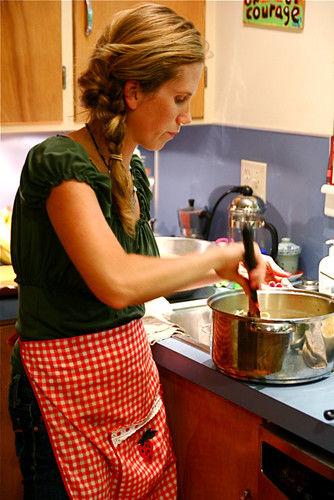
Cooking Housewife -- Lisa's Dinner party 7-30-09 3

We’ve all seen shows like “Come Dine with Me”, and we all like the idea of holding court in our own homes and entertaining all our guests. But it’s one thing to cook a meal for yourself or your family, and another to cook for a room full of people.

Once you up the numbers there are a lot of new issues you need to consider. Fortunately, with these simple tips you make the whole evening run much more smoothly.

Plan Ahead

The last thing you want to happen on the night is for your guests to turn up, expecting to be fed and entertained, just as you’re beginning to chop the vegetables.  Work out in advance what you’re going to cook, and which ingredients you can prepare the previous day. On the day of the dinner, prepare a salad in the morning and have it waiting, ready, in the fridge. Ideally when it comes to the actual cooking you should have all your ingredients ready to be thrown together and stuck in the oven.

Make Your Meals Scalable

Often you don’t know who’s actually going to turn up to dinner until the last minute, you never know who’s going to drop out and who’s going to turn up at the last minute. For this reason it’s a good idea to make meals that can be easily adjusted just by adding more or less ingredients. Chillies  curries, pasta dishes, there are all sorts of dishes that can be scaled up or down as you need them. And making a pasta dish for 10 people is about the same amount of work as making the same dish for four people.

Write Your Plan Down

Having things written down helps. When you’re preparing a dinner party for a lot of people the fact is that often you’ll have six things happening at the same time and you’re in charge of sorting all of them. It’s easy to get lost. It’s a good idea to have everything that needs doing, and when it needs doing, written down before you start. Yes, life is what happens while you’re making other plans and not everything is going to happen exactly how you envision it, but having everything written down will at least give you an idea of what should be happening.

Booze and Nibbles: A Host’s Best Friend

A soon as your guests arrive start plying them with wine and easy to prepare starters such as carrot sticks, nachos and dips or crackers and cheese. This is a great way to stop everyone from getting too hungry before the main course is served, or bored while they wait for it, and having a bit of booze flowing is a great way to break the ice.

Don’t Do It Alone

I know, I’m the same as well. When it comes to cooking my inner dictator comes out and everyone has to do exactly what I say or get out of the way, and when people do exactly what I say they’re probably doing it wrong.

But the fact is when you’re preparing a large meal, as much as you might want to, you can’t do everything yourself. Get flatmates or family members to help preparing ingredients or side dishes, or simply keeping the guests occupied and the booze flowing.

If you live alone, then go to stage two and start exploiting your friends. If they’re here they’ll probably be happy to muck in with some of the small jobs like setting (or possibly clearing) the table. You can always reward them with more of that booze.

This is Not the Time to Experiment

Yes, we all like trying new things out in the kitchen. But the time to do this is for a flatmate or loved one who knows your cooking well and isn’t afraid to tell you when your food looks and tastes, well, horrible.

If you’re cooking for a large group of people, you want to bring your tried and tested favourite healthy recipes. Something where you know exactly how the dish is going to turn out, how long it will take you, and what unwelcome surprises can happen during cooking. Experiment at your peril.

Chris Farnell is a freelance writer who also puts on a great spread when required.

Filed Under: Dining and Restaurants, Entertainment, Home and Lifestyle, Recreation, Socializing Tagged With: cooking, dinner party, drinks, get help, great party, host, ingredients, meals, nibbles, plan, secret

6 Foods For Healthy Living

October 29, 2012 by Trish

Vegetables

Living a healthy life includes a balance of regular exercise, taking care of your body and healthy eating. With so many different products out there now, it’s sometimes challenging to know what’s truly healthy and what’s a fraud. One food group you can know for certain is a healthy option is vegetables. If you’re looking to get the most out of eating healthy, make sure the following vegetables are part of your diet.

Beets

While earthy and subtly sweet, beets do indeed have the highest sugar content of any vegetable. On the other hand, beets are still low in calories, packed with fiber and rich in iron. Additionally, these vegetables are loaded with heart-healthy folic acid and the cancer-fighting antioxidant beta-carotene. Many people who choose to eat beets cut off the top leafs, which can be compared to Swiss chard. Believe it or not, these leafy greens that many of us throw out are actually more nutritious than the roots of the beet, with double the potassium, folic acid, calcium and iron.

Carrots

Carrots can be used in many ways, from desserts like carrot cake to a great snack with hummus. Aside from being slightly sweet and having a great crunch, carrots contain more carotenoids that any other veggie. Carotenoids is the antioxidant that gives carrots their yellow-orange pigment and may protect against certain types of cancer, heart disease and cataracts.

The beta-carotene in carrots is converted by the body into vitamin A which is an essential vitamin for healthy skin and a strong immune system. Additionally, carrots contain soluble fiber, vitamin C and bone-strengthening calcium.

Kale

Kale has recently grown in popularity with new, inventive ways to cook and eat this nutritious vegetable. Kale is an incredible source of vitamins A, B6 and C, along with fiber, iron and calcium. In all actuality, kale is one of the healthiest greens you can eat.

Kale contains more vitamin K than broccoli, spinach and Swiss chard. Kale also contains high levels of lutein and zeaxanthin, two powerful phytochemicals that may help safeguard the eyes from conditions such as macular degeneration and cataracts.

Brussels Sprouts

These small and leafy vegetables may not look like much, but they’re packed with nutrients that benefit the heart, boost the immune system and they even promote healthy skin. Being a member of the phytochemical-heavy cruciferous family, brussels sprouts are packed with healthy gluscosinolates which are thought to fight cancer.

Research has shown that eating these baby cabbages could possibly reduce the risk of premenopausal breast cancer. If that isn’t enough of a reason to love these little vegetables, they’re also full of vitamin A, C and folate.

Sweet Potatoes

Sweet potatoes are truly incredible vegetables. Similar to carrots, these bright colored potatoes are packed with beta-carotene and are good for vision, prevents certain types of cancer and boosts immunity. Sweet potatoes are low in calories, high in fiber and great for weight loss. They also contain high levels of folate, vitamins B6, C and E. Talk about a healthy potato! It doesn’t get any healthier than this.

Shiitake Mushrooms

Mushrooms in general are well known for their health benefits, but in particular, shiitake mushrooms really make a statement. They offer a lot in terms of fiber and protein, and also contain some iron, potassium and zinc, a vitamin which helps to keep the body’s immune system and boosts neurological function.

These vegetables may be some of the best for you, but there are many more out there that also have amazing health benefits. When it comes down to it, vegetables are full of vitamins and minerals that you really can’t get naturally from anything else. If you’re looking to live a long and healthy lifestyle, make sure your diet includes hefty portions of vegetables.

Marissa Bruce is a freelance writer and health activist. She studied health and nutrition before deciding to take her education a step further. She is now researching online nursing masters degree programs.

Filed Under: Health Fitness and Beauty, Nutrition Tagged With: beets, boost, brussel sprouts, cancer fighting, carrots, fiber, foods, Health Fitness and Beauty, healthy living, immune system, kale, shiitake mushrooms, Sweet Potatoes, vegetables

Basic Cooking Tips for the Novice Cooks

October 28, 2012 by Trish

After many years of being pampered by our moms in a very comfortable atmosphere of home, there will always come a time that we need to be on our own, and this is a reality that seems too scary for many of us. Why not? Finding our own place or raising our own family means having all the responsibilities of keeping our home. And one of the most dreadful activities for many of us is cooking. Cooking and preparing food is something you need to do on a daily basis. Of course you can easily call a restaurant to have some food delivered to your home, but as you know, home cooked food is always better.

What this all means is that we all need, one way or another, to learn how to cook. If you are a beginner in cooking, then it makes sense that you’ve got a lot of hesitations and fears. But as you try and overtime, you will surely be used to cooking and will eventually be able to make healthy and delicious means for your family. Here are some tips you should keep in mind as you begin your journey to becoming a great cook.

1. Purchase only fresh and good quality fruits, vegetables and ingredients.

Whenever you go to grab some groceries, make sure that you only get the freshest produce. Your vegetables need to look plump and fresh, and the leafy ones must not be blackened or wilted. For frozen food items, see to it that there are no signs of ice crystals in the food bags because this means that it already got thawed and put back to the freezer. When buying fruits, be sure you pick those that don’t look plump or too shiny.

2. Never undercook or overcook food.

Food should not be under or overcooked. First of all, eating undercooked food is unhealthy and can even be fatal, especially for foods like beans, meat and sea foods. On the other hand, overcooking your food means losing a lot of the most important nutrition you can get from your food items. If you are referring to some recipes, make sure that you follow the instructions accurately.

3. Avoid pouring too much or too little water.

If you try to notice, there are so many recipes that involve adding some water, which is usually to cook the food, prevent it from burning, or even to simply adjust the food’s consistency. Adding not enough amount of water can lead to burnt food or food that is cooked in the outside but undercooked in the core. Meanwhile, if you add too much water in soups, for instance, you may need to cook the food longer than necessary to reduce the water, and this leads to the overcooking of the food.

4. Use the appropriate size of pans and pots.

When it comes to cooking, size does matter in terms of the pot or pans you are going to use. If you cook a small amount of food in a huge container, you will be wasting gas. And if you fry a huge slice of meat or fish in a small pan, this can result to uneven cooking of the food.

5. What to do after boiling vegetables?

Once you have sliced and boiled your vegetables to perfection, make sure that you can still use the water you used for boiling. You have to know that this water actually contains all the nutrients of the vegetables you have boiled. Thus, it is a pity to just let it go down the drain. Be more creative and find other ways that you may still use the water from the boiled vegetables.

6. Start cooking only once the pan is perfectly heated already.

One basic and important rule in cooking is ‘hot pan cold oil’. If you start pouring the oil when the pan is heated enough, the food you are to fry is less likely to stick to the bottom of your pan. In addition, doing this will retain the quality of your cooking oil, which directly affects the quality of your food as well.

7. See to it that you taste the food while you are cooking.

One of the basic things you will learn even from cooking classes New Orleans is that it is essential that you taste your food every now and then until it is completely cooked. This way, you will know what needs to be adjusted, like maybe you need to add more water or salt or perhaps you are overcooking your ingredients already. Doing this will help you avoid any disaster in the taste and quality of your food.

8. Always have some instant food reserved.

As a novice in cooking, you cannot expect yourself to produce perfect dishes and meals. Of course, learning is a process that naturally takes time and a lot of practice. Failure is also inevitable, so it is something that you need to prepare for.

Cedric Loiselle enjoys writing about a myriad of topics such as business and finance, health, as well as home improvement and lifestyle.

Filed Under: Dining and Restaurants, Home and Lifestyle Tagged With: cooking, cooking tips, Family, Food, fruit, home, ingredients, learn, meat, novice, pans, vegetables

Use Caution When Using Insect Repellents

October 27, 2012 by Trish

Many types of pests are not just irritating. Some creatures are scary not because of how they look or how much damage to property they can bring; these animals are terrifying because they can transmit life-threatening illnesses to people. Mosquitoes, for instance, are well-known vectors of several forms of viruses that cause encephalitis or brain inflammation. Other species cause malaria, dengue, and other dangerous diseases. Ticks also transmit microorganisms that cause typhus and Lyme disease. This is also the creature that carries the dreaded Crimean-Congo Viral Hemorrhagic fever virus that can easily decimate mankind in a few years.

With all these virulent organisms being carried around by common household pests, it’s really very important to protect ourselves, our loved ones, and especially our children from insects. However, we must also use insect repellents cautiously because these contain chemicals, such as permethrin, DEET, P-menthane 3.8 diol, and other alcohol derivatives. Such elements, in large and continuous applications, can cause not only skin irritation, but also cancer, kidney lesions, muscle spasms, seizures, and other grave disorders. So, here are some safety tips when using insect repellents.

1. Follow recommended use.

When instructions say that a product must only be applied every 4 hours, then do so. Do not reapply every 15 minutes because, generally, saturation will not improve a product’s effectiveness. In addition, you’ll be exposing yourself and your loved ones from higher doses of dangerous chemicals. In case you’re using permethrin or other chemicals that should not be applied on the skin, then be careful during application. Do not spray products on the clothes that you’re wearing, and make sure that you don’t spray the inner part of your clothing because this section touches the skin.

2. Be cautious when using repellents on children.

Always ask your pediatrician about what sort of repellents can be used on your kids. Some insect repellents, such as those that contain DEET, must not be used on infants. In addition, children below a certain age must only be exposed to a certain concentration of DEET. Therefore, ask your doctor about the level of DEET concentration that you can use on your child.

3. Obtain more information about insect repellents.

For more information regarding insect repellent use, you can visit the AAP or American Academy of Pediatrics website. The site has a lot of information regarding types of insect repellents, recommended frequency of application, and several safety tips. There, you’ll also be able to read about some common and serious adverse reactions that could be caused by regular and improper use of repellents.

AAP Recommendations:

– Repellents used on children should not exceed 30% DEET. Generally, the higher the DEET, the longer the protection lasts. But studies show that products that contain more than 30% DEET don’t provide extra protection.

– Insect repellents should never be used on infants, especially babies that are younger than 2 months.

– Insect repellents must never be sprayed directly onto the face. Also, it should not be used on open wounds or cuts.

Claire Brent is a freelance writer and a mother who also uses insect repellents on her child for mosquito and tick protection. She’s written this article in hopes of offering more information to everyone regarding the proper way to use insect repellents, especially on children. She also blogs for Preventive Pest Control, which is a reliable company that can help you out in case you’re place or grounds are inundated by ticks or mosquitoes.

Filed Under: Health Fitness and Beauty, Home and Lifestyle Tagged With: caution, chemicals, deet, dengue, encephalitis, insect repellents, irritating, Lyme disease, malaria, Mosquitoes, skin, Ticks, vectors, viruses

  • « Previous Page
  • 1
  • …
  • 18
  • 19
  • 20
  • 21
  • 22
  • …
  • 26
  • Next Page »

Connect with Us

  • Facebook
  • Flickr
  • Instagram
  • RSS
  • Twitter

Categories

Sites of Interest

Useful Links

Eavestrough Cleaning Toronto

Shopping

Gifts, Gadgets,
Books and More!

Recent Posts

  • Is your home well insulated or do you have energy leaks?
  • Pet Safety Tips
  • Top 10 Most Fundamental Yoga Poses For Beginners
  • Will My Interior Décor Stand The Test Of Time?
  • Outdoor Furniture- Spicing Up Your Backyard
  • Ensuring You Have A Good Experience Staying At Hotels With Children
  • Mother’s Day Cookies

Recent Comments

  • Bill on Top 10 Most Fundamental Yoga Poses For Beginners
  • [bonus]old school new body-f4x workout on Why does my husband always bring home the wrong stuff?
  • Rodhe Stevens on 5 Little Known Secrets To Finding Cheap (But Durable) Furniture
  • Julia Carlson on How To Install A Mosaic Tile Kitchen Backsplash
  • Humane Raccoon Deterrent Idea on Helped save a baby raccoon last night

Subscribe


Subscribe to our RSS Feed It's FREE!

Subscribe to Tricia's Musings by Email It's FREE!


Follow me on TWITTER

Find us on Google +


Find us on Facebook


I have two mottos-
1. Live life to the fullest; and
2. Don't have any regrets.

Get More Traffic

Visitors since 2006

Meta

  • Log in
  • Entries feed
  • Comments feed
  • WordPress.org

Search this site

Tags

blog blogs camera Canada Chris computer crohns dinner dog Family flower flowers Food friends funny garden Gardening Green Thumb Sunday Health and Fitness Health Fitness and Beauty holiday home Home and Lifestyle house husband IBD Inflammatory bowel disease Internet Music neighbors pain photo photos plants puppy Shopping sick sleep spring Toronto TV Video visit website Wordless Wednesday

Blogs I Visit

  • RennyBAs Terella
  • Parenting Toys
  • Home and Garden Diva
  • Ah Ok Lah
  • LifeCruiser

Copyright © 2026 · Lifestyle Pro Theme on Genesis Framework · WordPress · Log in